Posted on Leave a comment

Weighted Plush vs Traditional Stuffed Animals: What Actually Makes the Difference

Weighted Plush vs Traditional

Stuffed animals comfort people across generations. They sit on beds, couches, and shelves everywhere. Yet not all stuffed animals feel the same. Some offer emotional weight. Others provide simple softness. Understanding the difference matters more than most people realize.

Therefore, this guide explores weighted plush vs traditional stuffed animals clearly. It explains benefits, uses, sensations, and real-life impact. It removes hype and delivers clarity. Therefore, It helps readers choose intentionally.

The Emotional Role of Stuffed Animals

Stuffed animals represent comfort before function. They symbolize safety, familiarity, and emotional grounding. People reach for them during stress. They offer reassurance during quiet moments. That emotional role explains their lasting popularity.

However, not every stuffed animal supports the body the same way. Some comfort emotionally only. Others comfort emotionally and physically. That distinction changes the experience entirely.

What Traditional Stuffed Animals Offer

Traditional stuffed animals focus on softness first. They use lightweight filling, feel easy to hold, and move freely with the body.

Because of that, they work well for casual comfort. They decorate spaces beautifully, evoke nostalgia, and remind people of childhood memories.

Additionally, traditional plush toys suit all ages. They pose no physical demands, adapt easily to different environments, and stay versatile.

However, they lack physical feedback. They do not provide grounding pressure. They soothe through familiarity, not sensation.

What Weighted Stuffed Animals Introduce

Weighted stuffed animals add intentional pressure. They distribute weight evenly across the body. That pressure creates a grounding sensation.

As a result, many people feel calmer quickly. Their breathing slows naturally. Their body relaxes more deeply.

Weighted plush animals still feel soft. They still feel comforting. Yet they add physical presence. That presence changes how the body responds.

Because of this, weighted designs feel more immersive. They feel like a steady hug, anchor attention, and encourage stillness.

How Weight Changes the Sensory Experience

Weight creates resistance. Resistance increases body awareness. That awareness grounds the nervous system.

Therefore, weighted stuffed animals engage more senses. They stimulate touch and pressure simultaneously. They offer feedback the body understands instinctively.

Traditional plush toys cannot replicate that sensation. They remain passive objects. Weighted versions interact with the body.

This difference explains why many people describe weighted plush comfort as deeper.

Everyday Use Without Labels

People often assume weighted items serve specific groups. That assumption limits understanding. Comfort does not require labels.

Many people use weighted stuffed animals casually. They hold them while watching television, rest them on laps while reading, and use them during quiet evenings.

Others use them for focus. The pressure helps attention settle. The body stays present. So, distractions fade easier.

Meanwhile, traditional stuffed animals serve decorative and emotional roles. They sit nearby, signal warmth, and invite touch without demand.

Sleep and Rest Differences

Sleep quality depends on relaxation. Weighted pressure supports relaxation physically. It encourages muscle release. It promotes stillness.

Therefore, some people prefer weighted stuffed animals before sleep. They help the body unwind. They create bedtime rituals naturally.

Traditional plush toys still support sleep emotionally. They provide familiarity and ease nighttime loneliness.

Yet they do not influence the body physically. That distinction matters for some sleepers.

Choosing Based on Lifestyle

Lifestyle determines the best choice. Some people value portability. Others value sensation.

Traditional stuffed animals travel easily. They fit anywhere and feel effortless.

Weighted stuffed animals feel more substantial. They require intentional placement. They reward stillness.

Therefore, people who move frequently may prefer traditional plush. People who seek grounding may prefer weighted designs.

Neither option replaces the other entirely. Each serves a different purpose.

Design and Aesthetic Considerations

Modern stuffed animals emphasize design. Colors feel intentional. Textures feel refined. Shapes feel expressive.

Weighted stuffed animals now match that trend. They no longer appear medical or utilitarian. They resemble traditional plush visually.

As a result, they blend into living spaces easily. They feel natural on couches and beds.

Traditional stuffed animals continue to dominate decorative spaces. Their lightness suits shelves and displays.

Both options contribute visually. The difference lies in function.

Durability and Construction

Weight affects construction. Weighted stuffed animals use reinforced stitching. They require durable seams. They demand balanced filling.

That construction often increases longevity. It prevents shifting. It maintains shape.

Traditional stuffed animals focus on fluff retention. They compress easily. They regain shape quickly.

Each design prioritizes different engineering goals.

Emotional Attachment Over Time

Attachment grows through interaction. Weighted stuffed animals invite longer holding. They encourage presence. They deepen connection.

Traditional stuffed animals support visual attachment. They remind. They comfort from a distance.

Both attachments matter. They simply develop differently.

Cost and Value Perspective

Weighted stuffed animals often cost more. Materials increase expense. Construction requires precision.

However, value depends on use. Frequent grounding increases perceived worth. So, Daily comfort justifies the investment.

Traditional stuffed animals offer affordability. They serve broader decorative roles. They remain accessible.

Choosing value means choosing purpose.

Which One Makes Sense for You

For weighted plush vs traditional, no universal answer exists. Needs vary daily. Preferences shift over time.

Some people own both. They use each intentionally. They match comfort to moment.

Weighted stuffed animals suit quiet focus. Traditional plush suits casual comfort.

Understanding the difference empowers better decisions.

Final Thoughts on Weighted Plush vs Traditional

Stuffed animals endure because comfort never becomes outdated. People always seek reassurance. They always seek calm.

Weighted and traditional stuffed animals offer that comfort differently. One anchors the body. The other warms the heart.

Knowing the difference transforms a simple purchase into a meaningful choice.

That understanding creates comfort that lasts.
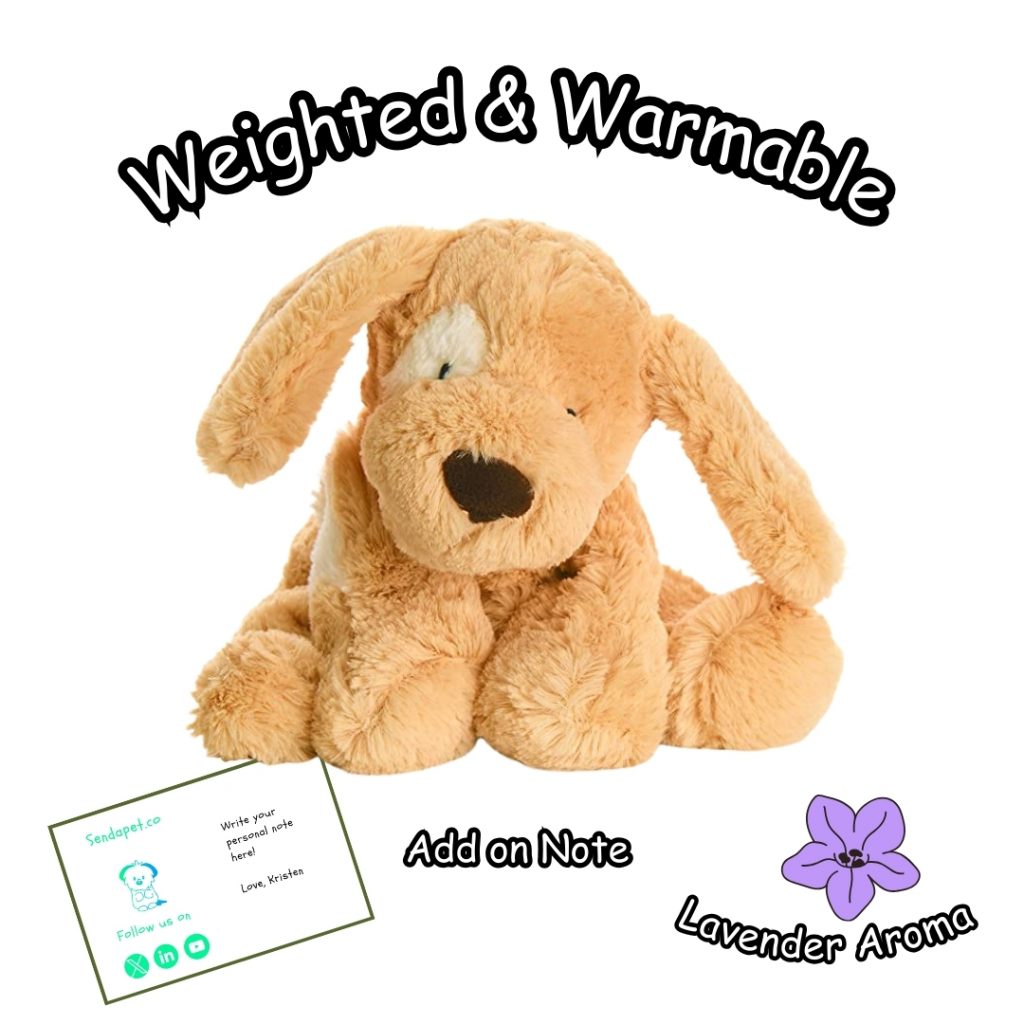
Weighted Warmable Puppy Dog
Posted on

Loyalty Unleashed: The Profound Connection Between People and Their Pets

Pets Are the Best Friends

Pets Are the Best Friends

In the words of the iconic author George Eliot, “Animals are such agreeable friends – they ask no questions; they pass no criticisms.” Indeed, the notion that if you want a loyal friend, you should get a pet. This is a sentiment echoed by many famous individuals. Individuals who have experienced the unwavering companionship, affection, and loyalty of their furry, feathered, or scaly friends. As we embark on this journey exploring the profound bond between humans and their pets let us draw wisdom and inspiration from these ten notable quotes. Each quote reveales the unique and endearing qualities that make pets extraordinary friends.

Walt Disney: “You can trust your dog to guard your house, but never trust your dog to guard your sandwich.”

This playful remark by the legendary Walt Disney captures the lighthearted spirit of our animal companions. While pets may occasionally give in to their food-loving instincts, they are nonetheless guardians of our hearts, providing solace and support in times of need.

Will Rogers: “If there are no dogs in Heaven, then when I die, I want to go where they went.”

The sentiment expressed by the American humorist Will Rogers resonates with many pet owners. It emphasizes the idea that the loyal companionship of our pets makes life on Earth feel a little closer to heaven.

Albert Schweitzer: “There are two means of refuge from the misery of life – music and cats.”

The Nobel laureate Albert Schweitzer recognized the soothing presence of pets in our lives. The purring of a cat or the melodious songs of a bird can offer solace and refuge during life’s tumultuous moments.

Mark Twain: “If animals could speak, the dog would be a blundering outspoken fellow; but the cat would have the rare grace of never saying a word too much.”

Mark Twain’s insightful commentary on pets highlights the understated elegance and eloquent communication of cats. The bond between humans and their feline friends often transcends words, built on quiet understanding and companionship.

Roger Caras: “Dogs have given us their absolute all. We are the center of their universe. We are the focus of their love and faith and trust.”

The words of Roger Caras, an animal advocate and writer, emphasize the exceptional devotion and loyalty that dogs bring into our lives. Consequently, for our canine friends, their love and loyalty know no bounds. They wholeheartedly invest in the people they adore.

Ricky Gervais: “Life is better with a dog.”

Comedian Ricky Gervais, known for his wit, strikes a poignant chord with this concise yet powerful statement. It reflects the universal sentiment that pets enhance the quality of our lives, bringing joy and meaning to our everyday experiences.

Immanuel Kant: “We can judge the heart of a man by his treatment of animals.”

The renowned philosopher Immanuel Kant offers a profound insight into the character of individuals based on their treatment of animals. So, our pets bear witness to our compassion, patience, and kindness, revealing the core of our humanity.

Doris Day: “I have found that when you are deeply troubled, there are things you get from the silent devoted companionship of a dog that you can get from no other source.”

Actress and animal welfare activist Doris Day eloquently expresses the unique solace that dogs offer during times of distress. The silent yet unwavering support of a dog can mend even the heaviest of hearts.

Haruki Murakami: “And I realized how many like things in this world, like chairs and lamps and people, were already arranged, there, waiting. I felt that I had been kind of abandoned by the world, and the people living in it.”

Japanese author Haruki Murakami’s reflection beautifully encapsulates the idea that pets provide a sense of purpose and belonging. Their presence in our lives often serves as a beacon of solace in a sometimes chaotic world.

Eckhart Tolle: “I have lived with several Zen masters – all of them cats.”

Spiritual teacher Eckhart Tolle playfully highlights the zen-like qualities exhibited by our feline companions. Cats, with their poise and presence, teach us to appreciate the beauty of living in the moment and embracing mindfulness.

These quotes by notable figures underscore the profound connections that exist between people and their pets. They affirm the notion that pets make not only loyal friends but also extraordinary companions. The bond between humans and their animal friends is unique. A bond characterized by unwavering support, unconditional love, and a shared journey through the joys and tribulations of life.

Numerous studies and research also support the positive impact of pet ownership on mental and emotional well-being. For instance, a study published in the journal “Society & Animals” in 2015 highlighted the strong emotional bond between pet owners and their animals, emphasizing the role of pets in reducing feelings of loneliness and providing social support.

Additionally, the American Psychological Association acknowledges the emotional benefits of pet ownership. For example, such as stress reduction, improved mood, and enhanced overall well-being. It’s not surprising that pet therapy is widely employed in various healthcare settings to assist individuals in managing stress, anxiety, and even pain.

The Essence of Pets

In essence, pets are best friends and have an innate ability to sense our emotional needs and provide comfort and companionship. They provide this in times of sadness, loneliness, and distress. Nevertheless, their presence fosters an atmosphere of non-judgmental support. This allows us to freely express our emotions, seek solace, and find joy in the simple. The simple everyday moments shared with our animal friends.

The profound connection between humans and their pets extends beyond words, transcending language barriers and cultural differences. It is a universal experience that has stood the test of time, from ancient civilizations to contemporary society. Whether it’s the devotion of a loyal dog, the serene companionship of a cat, or the melodic chirping of a bird, pets have an irreplaceable role in our lives, teaching us about love, loyalty, and the boundless capacity of our own hearts.

Conclusion

We grown in wisdom when we reflect on these quotes. Reflecting on the countless stories of loyalty and love between people and their pets. So, It becomes abundantly clear that pets are our best friends with the bond we share with our animal companions is indeed special. Pets enrich our lives in ways that go beyond mere friendship. Pets become a part of our families, offering us unwavering loyalty and a love that knows no conditions. In the words of Mahatma Gandhi, “The greatness of a nation and its moral progress can be judged by the way its animals are treated.” This sentiment reminds us that the loyalty of our pets reflects the best of our humanity. It teachesing us to be kind, compassionate, and, above all, deeply loyal in return.

Pets Are the Best Friends