Stuffed animals comfort people across generations. They sit on beds, couches, and shelves everywhere. Yet not all stuffed animals feel the same. Some offer emotional weight. Others provide simple softness. Understanding the difference matters more than most people realize.
Therefore, this guide explores weighted plush vs traditional stuffed animals clearly. It explains benefits, uses, sensations, and real-life impact. It removes hype and delivers clarity. Therefore, It helps readers choose intentionally.
The Emotional Role of Stuffed Animals
Stuffed animals represent comfort before function. They symbolize safety, familiarity, and emotional grounding. People reach for them during stress. They offer reassurance during quiet moments. That emotional role explains their lasting popularity.
However, not every stuffed animal supports the body the same way. Some comfort emotionally only. Others comfort emotionally and physically. That distinction changes the experience entirely.
What Traditional Stuffed Animals Offer
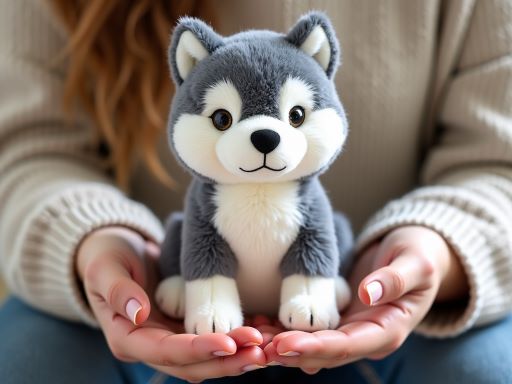
Traditional stuffed animals focus on softness first. They use lightweight filling, feel easy to hold, and move freely with the body.
Because of that, they work well for casual comfort. They decorate spaces beautifully, evoke nostalgia, and remind people of childhood memories.
Additionally, traditional plush toys suit all ages. They pose no physical demands, adapt easily to different environments, and stay versatile.
However, they lack physical feedback. They do not provide grounding pressure. They soothe through familiarity, not sensation.
What Weighted Stuffed Animals Introduce
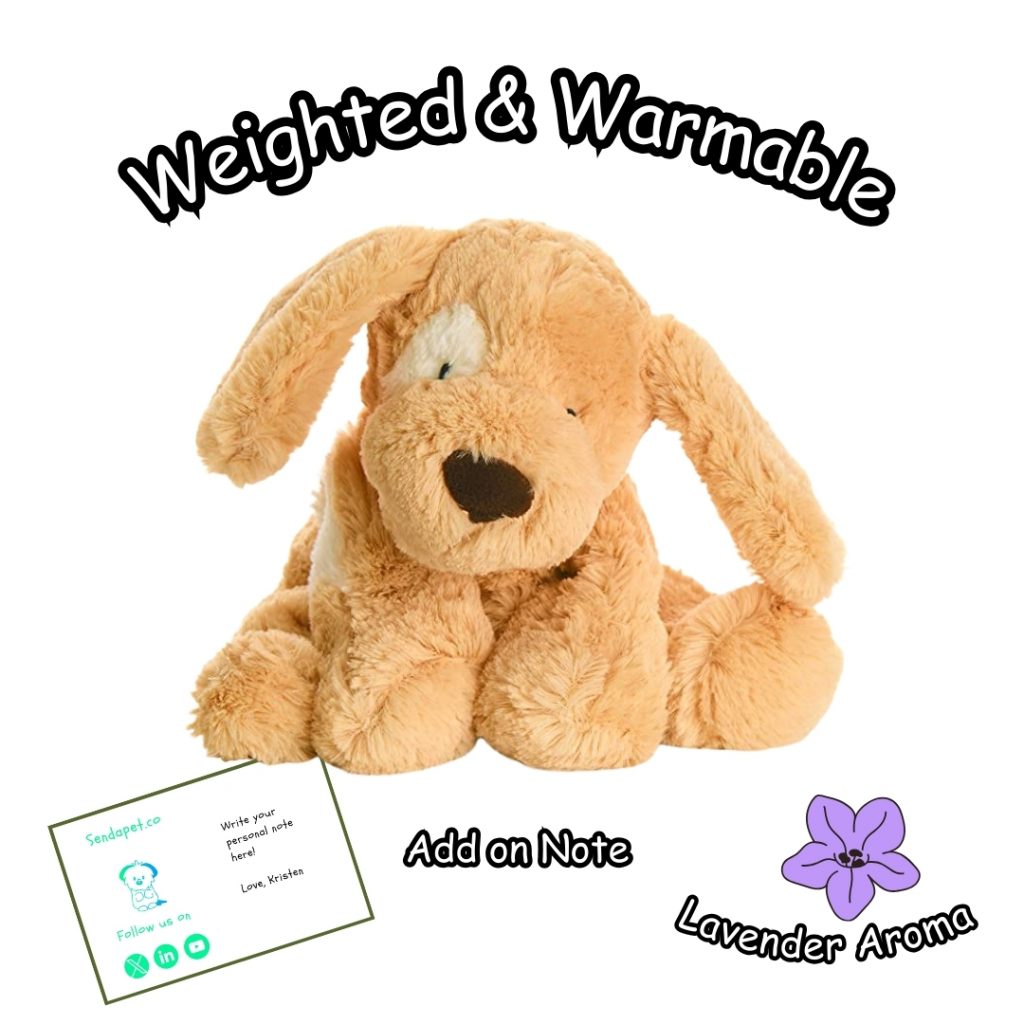
Weighted stuffed animals add intentional pressure. They distribute weight evenly across the body. That pressure creates a grounding sensation.
As a result, many people feel calmer quickly. Their breathing slows naturally. Their body relaxes more deeply.
Weighted plush animals still feel soft. They still feel comforting. Yet they add physical presence. That presence changes how the body responds.
Because of this, weighted designs feel more immersive. They feel like a steady hug, anchor attention, and encourage stillness.
How Weight Changes the Sensory Experience
Weight creates resistance. Resistance increases body awareness. That awareness grounds the nervous system.
Therefore, weighted stuffed animals engage more senses. They stimulate touch and pressure simultaneously. They offer feedback the body understands instinctively.
Traditional plush toys cannot replicate that sensation. They remain passive objects. Weighted versions interact with the body.
This difference explains why many people describe weighted plush comfort as deeper.
Everyday Use Without Labels
People often assume weighted items serve specific groups. That assumption limits understanding. Comfort does not require labels.
Many people use weighted stuffed animals casually. They hold them while watching television, rest them on laps while reading, and use them during quiet evenings.
Others use them for focus. The pressure helps attention settle. The body stays present. So, distractions fade easier.
Meanwhile, traditional stuffed animals serve decorative and emotional roles. They sit nearby, signal warmth, and invite touch without demand.
Sleep and Rest Differences
Sleep quality depends on relaxation. Weighted pressure supports relaxation physically. It encourages muscle release. It promotes stillness.
Therefore, some people prefer weighted stuffed animals before sleep. They help the body unwind. They create bedtime rituals naturally.
Traditional plush toys still support sleep emotionally. They provide familiarity and ease nighttime loneliness.
Yet they do not influence the body physically. That distinction matters for some sleepers.
Choosing Based on Lifestyle
Lifestyle determines the best choice. Some people value portability. Others value sensation.
Traditional stuffed animals travel easily. They fit anywhere and feel effortless.
Weighted stuffed animals feel more substantial. They require intentional placement. They reward stillness.
Therefore, people who move frequently may prefer traditional plush. People who seek grounding may prefer weighted designs.
Neither option replaces the other entirely. Each serves a different purpose.
Design and Aesthetic Considerations
Modern stuffed animals emphasize design. Colors feel intentional. Textures feel refined. Shapes feel expressive.
Weighted stuffed animals now match that trend. They no longer appear medical or utilitarian. They resemble traditional plush visually.
As a result, they blend into living spaces easily. They feel natural on couches and beds.
Traditional stuffed animals continue to dominate decorative spaces. Their lightness suits shelves and displays.
Both options contribute visually. The difference lies in function.
Durability and Construction
Weight affects construction. Weighted stuffed animals use reinforced stitching. They require durable seams. They demand balanced filling.
That construction often increases longevity. It prevents shifting. It maintains shape.
Traditional stuffed animals focus on fluff retention. They compress easily. They regain shape quickly.
Each design prioritizes different engineering goals.
Emotional Attachment Over Time
Attachment grows through interaction. Weighted stuffed animals invite longer holding. They encourage presence. They deepen connection.
Traditional stuffed animals support visual attachment. They remind. They comfort from a distance.
Both attachments matter. They simply develop differently.
Cost and Value Perspective
Weighted stuffed animals often cost more. Materials increase expense. Construction requires precision.
However, value depends on use. Frequent grounding increases perceived worth. So, Daily comfort justifies the investment.
Traditional stuffed animals offer affordability. They serve broader decorative roles. They remain accessible.
Choosing value means choosing purpose.
Which One Makes Sense for You
For weighted plush vs traditional, no universal answer exists. Needs vary daily. Preferences shift over time.
Some people own both. They use each intentionally. They match comfort to moment.
Weighted stuffed animals suit quiet focus. Traditional plush suits casual comfort.
Understanding the difference empowers better decisions.
Final Thoughts on Weighted Plush vs Traditional
Stuffed animals endure because comfort never becomes outdated. People always seek reassurance. They always seek calm.
Weighted and traditional stuffed animals offer that comfort differently. One anchors the body. The other warms the heart.
Knowing the difference transforms a simple purchase into a meaningful choice.
That understanding creates comfort that lasts.