Posted on Leave a comment

Weighted Plush vs Traditional Stuffed Animals: What Actually Makes the Difference

Weighted Plush vs Traditional

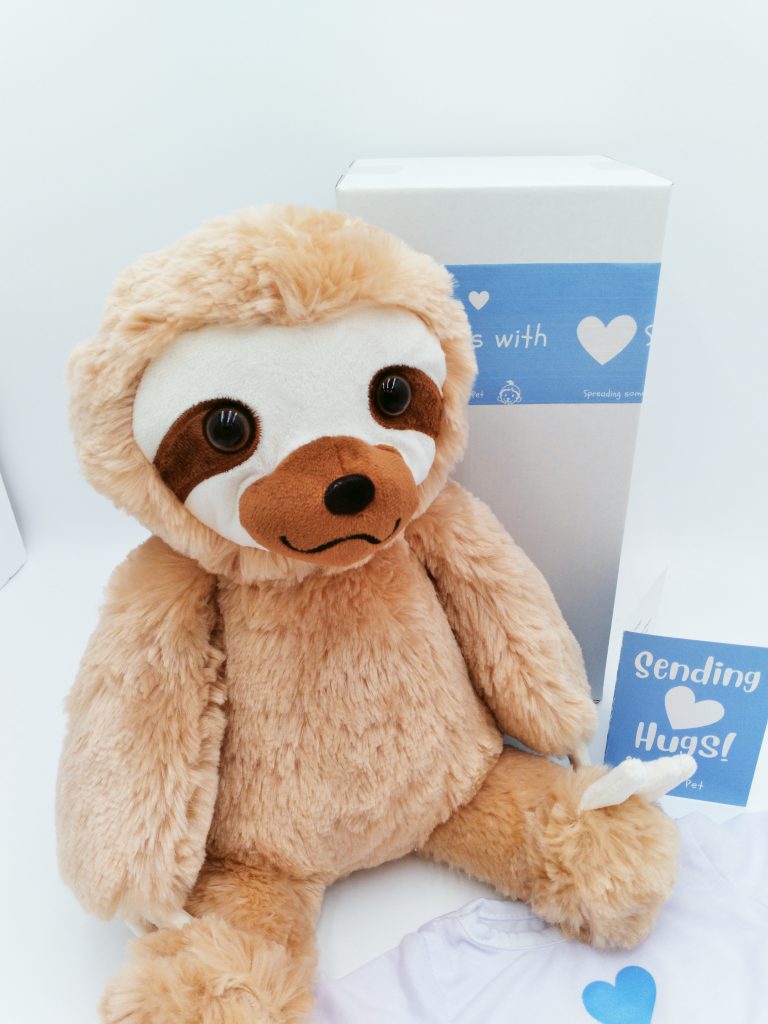
Stuffed animals comfort people across generations. They sit on beds, couches, and shelves everywhere. Yet not all stuffed animals feel the same. Some offer emotional weight. Others provide simple softness. Understanding the difference matters more than most people realize.

Therefore, this guide explores weighted plush vs traditional stuffed animals clearly. It explains benefits, uses, sensations, and real-life impact. It removes hype and delivers clarity. Therefore, It helps readers choose intentionally.

The Emotional Role of Stuffed Animals

Stuffed animals represent comfort before function. They symbolize safety, familiarity, and emotional grounding. People reach for them during stress. They offer reassurance during quiet moments. That emotional role explains their lasting popularity.

However, not every stuffed animal supports the body the same way. Some comfort emotionally only. Others comfort emotionally and physically. That distinction changes the experience entirely.

What Traditional Stuffed Animals Offer

Traditional stuffed animals focus on softness first. They use lightweight filling, feel easy to hold, and move freely with the body.

Because of that, they work well for casual comfort. They decorate spaces beautifully, evoke nostalgia, and remind people of childhood memories.

Additionally, traditional plush toys suit all ages. They pose no physical demands, adapt easily to different environments, and stay versatile.

However, they lack physical feedback. They do not provide grounding pressure. They soothe through familiarity, not sensation.

What Weighted Stuffed Animals Introduce

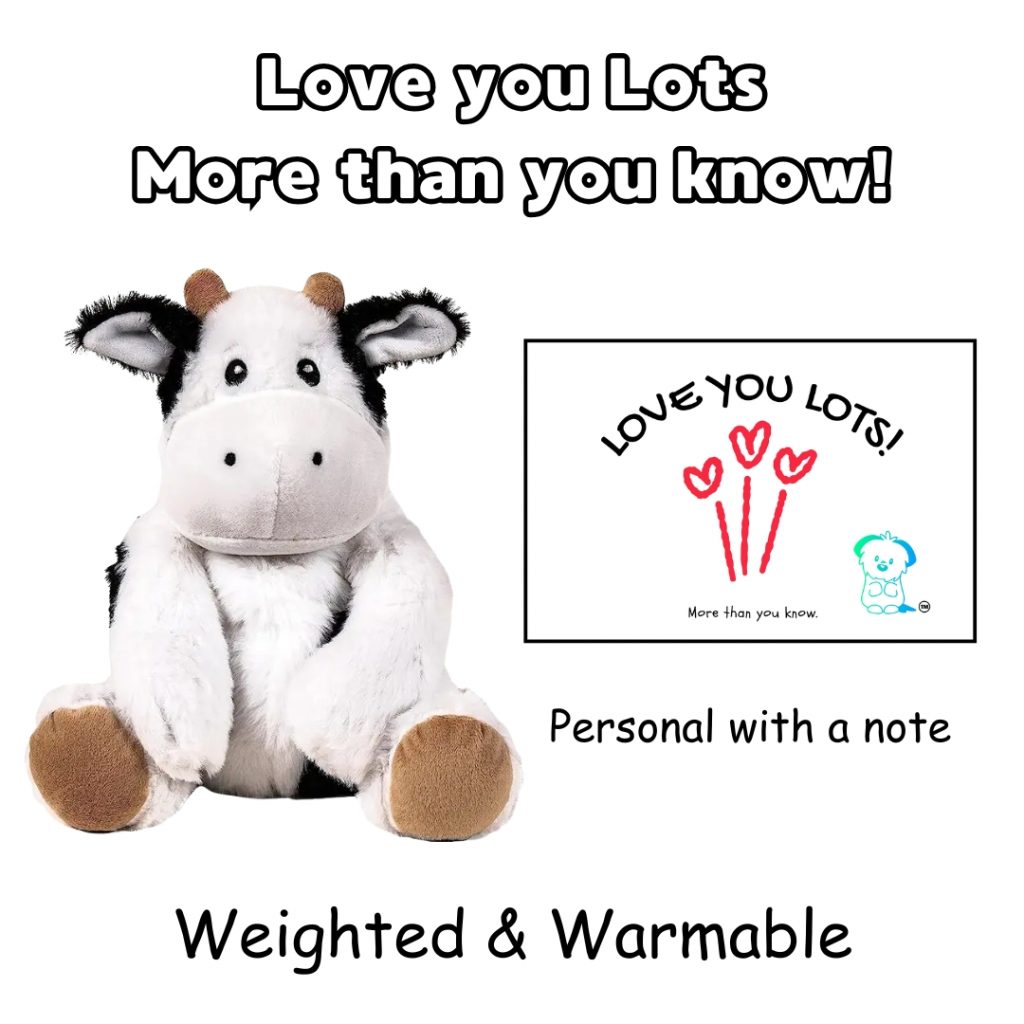
Weighted stuffed animals add intentional pressure. They distribute weight evenly across the body. That pressure creates a grounding sensation.

As a result, many people feel calmer quickly. Their breathing slows naturally. Their body relaxes more deeply.

Weighted plush animals still feel soft. They still feel comforting. Yet they add physical presence. That presence changes how the body responds.

Because of this, weighted designs feel more immersive. They feel like a steady hug, anchor attention, and encourage stillness.

How Weight Changes the Sensory Experience

Weight creates resistance. Resistance increases body awareness. That awareness grounds the nervous system.

Therefore, weighted stuffed animals engage more senses. They stimulate touch and pressure simultaneously. They offer feedback the body understands instinctively.

Traditional plush toys cannot replicate that sensation. They remain passive objects. Weighted versions interact with the body.

This difference explains why many people describe weighted plush comfort as deeper.

Everyday Use Without Labels

People often assume weighted items serve specific groups. That assumption limits understanding. Comfort does not require labels.

Many people use weighted stuffed animals casually. They hold them while watching television, rest them on laps while reading, and use them during quiet evenings.

Others use them for focus. The pressure helps attention settle. The body stays present. So, distractions fade easier.

Meanwhile, traditional stuffed animals serve decorative and emotional roles. They sit nearby, signal warmth, and invite touch without demand.

Sleep and Rest Differences

Sleep quality depends on relaxation. Weighted pressure supports relaxation physically. It encourages muscle release. It promotes stillness.

Therefore, some people prefer weighted stuffed animals before sleep. They help the body unwind. They create bedtime rituals naturally.

Traditional plush toys still support sleep emotionally. They provide familiarity and ease nighttime loneliness.

Yet they do not influence the body physically. That distinction matters for some sleepers.

Choosing Based on Lifestyle

Lifestyle determines the best choice. Some people value portability. Others value sensation.

Traditional stuffed animals travel easily. They fit anywhere and feel effortless.

Weighted stuffed animals feel more substantial. They require intentional placement. They reward stillness.

Therefore, people who move frequently may prefer traditional plush. People who seek grounding may prefer weighted designs.

Neither option replaces the other entirely. Each serves a different purpose.

Design and Aesthetic Considerations

Modern stuffed animals emphasize design. Colors feel intentional. Textures feel refined. Shapes feel expressive.

Weighted stuffed animals now match that trend. They no longer appear medical or utilitarian. They resemble traditional plush visually.

As a result, they blend into living spaces easily. They feel natural on couches and beds.

Traditional stuffed animals continue to dominate decorative spaces. Their lightness suits shelves and displays.

Both options contribute visually. The difference lies in function.

Durability and Construction

Weight affects construction. Weighted stuffed animals use reinforced stitching. They require durable seams. They demand balanced filling.

That construction often increases longevity. It prevents shifting. It maintains shape.

Traditional stuffed animals focus on fluff retention. They compress easily. They regain shape quickly.

Each design prioritizes different engineering goals.

Emotional Attachment Over Time

Attachment grows through interaction. Weighted stuffed animals invite longer holding. They encourage presence. They deepen connection.

Traditional stuffed animals support visual attachment. They remind. They comfort from a distance.

Both attachments matter. They simply develop differently.

Cost and Value Perspective

Weighted stuffed animals often cost more. Materials increase expense. Construction requires precision.

However, value depends on use. Frequent grounding increases perceived worth. So, Daily comfort justifies the investment.

Traditional stuffed animals offer affordability. They serve broader decorative roles. They remain accessible.

Choosing value means choosing purpose.

Which One Makes Sense for You

For weighted plush vs traditional, no universal answer exists. Needs vary daily. Preferences shift over time.

Some people own both. They use each intentionally. They match comfort to moment.

Weighted stuffed animals suit quiet focus. Traditional plush suits casual comfort.

Understanding the difference empowers better decisions.

Final Thoughts on Weighted Plush vs Traditional

Stuffed animals endure because comfort never becomes outdated. People always seek reassurance. They always seek calm.

Weighted and traditional stuffed animals offer that comfort differently. One anchors the body. The other warms the heart.

Knowing the difference transforms a simple purchase into a meaningful choice.

That understanding creates comfort that lasts.

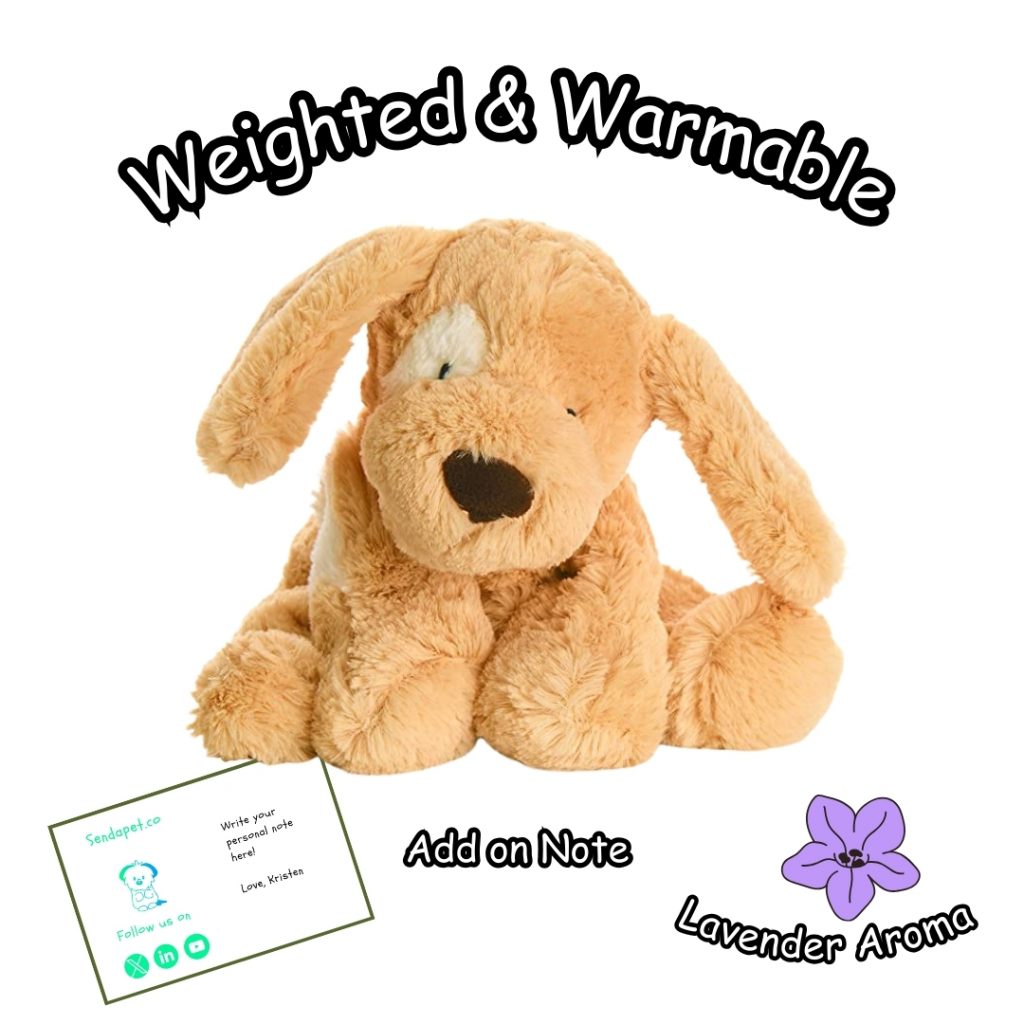
Weighted Warmable Puppy Dog
Posted on Leave a comment

Flaxseed: The Tiny Superhero with Huge Benefits

Superhero with Huge Benefits

Superhero with Huge Benefits

Let’s talk about flaxseed’s huge benefits—a small seed with some seriously big superhero powers.
It may look ordinary, but don’t let size fool you.
This ancient plant packs nutritional punch, soothing warmth, and wellness magic in every little grain.

First, let’s rewind time a bit.

People have cultivated flaxseed since 3000 BC.
Babylonians, Egyptians, and Greeks valued it for food, healing, and even fabric-making.
Clearly, flaxseed has earned its legendary reputation for good reason.

Today, nutrition experts still rave about its health perks.

Every tablespoon of flaxseed delivers fiber, omega-3s, and plant-based protein.
Its omega-3s—especially ALA—help reduce inflammation and support heart health.
Meanwhile, the fiber aids digestion and helps regulate blood sugar levels.
Moreover, this makes flaxseed a smart addition to breakfast, lunch, or even dessert.

Want cancer-fighting nutrients too?

Flaxseed contains lignans, powerful antioxidants linked to hormone balance and cancer protection.
Women especially love this seed during hormonal changes, like menopause.
Men benefit too, thanks to its cholesterol-lowering and cardiovascular effects.

Flaxseed isn’t just smart—it’s also flexible.

You can toss it into smoothies, oatmeal, or baked goods.
You can sprinkle it over yogurt or salad.
Just remember, ground flaxseed absorbs better than whole seeds.
Your body reaps more benefits when you grind it fresh.

But wait—flaxseed’s talents don’t end in the kitchen.

Move over rice and corn—flaxseed dominates in the world of warmable wellness.
Thanks to its high oil content, flaxseed retains heat beautifully.
That means longer-lasting warmth with fewer trips to the microwave.

Unlike dry fillers, flaxseed releases gentle, moist heat.

That moisture makes it perfect for easing sore muscles and joint pain.
Whether you’re cramping, achy, or just chilly, flaxseed has your back.

Even better, it molds to your body’s shape.

It wraps around your neck, shoulders, or knees with soft, flexible ease.
Say goodbye to stiff heating pads and hello to cozy comfort.

Let’s not forget—it smells amazing too.

While rice often gives off a “cooked” odor, flaxseed stays pleasantly neutral.
Some people even add herbs or essential oils to enhance the scent.
Lavender + flaxseed? That’s pure relaxation perfection.

Flaxseed heating pads serve as hot packs and cold compresses.

Toss one in the freezer and you’ve got instant cool relief.
Use it for swelling, migraines, or just sweaty summer evenings.

Best of all, flaxseed is all-natural and eco-friendly.

You get comfort, nutrition, and sustainability in one humble seed.
Parents love it, athletes trust it, and wellness seekers swear by it.

From breakfast bowls to bedtime rituals, flaxseed never disappoints.

It bridges food and self-care with effortless versatility.
Few things work this hard while staying this tiny.

Conclusion

So next time you see a bag of flax, pause and smile.
You’re looking at a quiet powerhouse of health, heat, and happiness.
Add it to your life—you’ll wonder how you ever lived without it.

Posted on Leave a comment

The Ultimate Pet Lovers’ Gift Guide: Why Animal-Themed Presents Create Deeper Connections (According to Science!)

Pet Lovers' Gift Guide

Pet Lovers’ Gift Guide

🎁 Why Animal-Themed Gifts Are the Perfect Choice

Finding the perfect gift can sometimes feel harder than teaching a cat to fetch.
However, for pet lovers, one answer stands out clearly: animal-themed gifts!
Interestingly, science shows that gifts featuring animals actually strengthen emotional bonds between people.
Before you grab another boring gift card, let’s dive into why animal-themed presents work like magic.


🧠 The Science Behind the Smiles

To start, humans naturally connect with animals on a deep, biological level.
According to research, just looking at animal images triggers the brain’s oxytocin production.
Consequently, oxytocin—also called the “love hormone”—makes people feel happier and more trusting instantly.
Thus, giving a pet-themed gift immediately boosts those feel-good chemicals for both giver and receiver.


🐾 Celebrating Pets as Family

Moreover, animal lovers often see their pets as family members rather than simple companions.
When you acknowledge that love through a thoughtful gift, you validate something precious and personal.
For instance, a personalized mug featuring their beloved dog can spark endless smiles every morning.
Alternatively, a cozy cat-themed blanket wraps your favorite feline fanatic in comfort and understanding.


💬 Thoughtful Gifts Speak Volumes

Furthermore, choosing a gift that reflects someone’s passions shows you genuinely listen and care.
According to a 2020 Harvard study, meaningful gifts increase relationship satisfaction by almost 40%.
Rather than focusing on price tags, these gifts emphasize emotional resonance and shared understanding.
And what better subject to celebrate than their adorable four-legged (or feathered!) best friend?


🎨 Endless Variety for Every Personality

In addition, animal-themed gifts offer incredible variety for every personality type.
For fashionistas, stylish scarves printed with dogs or cats make a purrfect statement.
Meanwhile, homebodies might adore pet-themed throw pillows, candles, or custom pet portraits.
Even tech lovers can enjoy phone cases featuring quirky animal art or fun paw prints.


🐘 Symbolism That Speaks from the Heart

Besides variety, these gifts often carry special symbolism that deepens emotional meaning.
A turtle-themed necklace could represent patience and resilience to someone facing tough times.
On another note, gifting an elephant figurine might symbolize wisdom, loyalty, and protection.
In every case, animal symbolism allows your gift to deliver a heartfelt message without words.


😄 Authenticity Over Perfection

Naturally, some people worry about appearing too cheesy with an animal-themed present.
However, authenticity always beats perfection when it comes to thoughtful gifting, experts agree.
If you know someone adores dachshunds, why shy away from a hilarious dachshund-print apron?
Joy and humor create emotional glue far stronger than expensive but generic luxury items.


🎀 Pro Tip: Build a Pet-Themed Gift Basket

Next time you need inspiration, consider creating an unforgettable animal-themed gift basket.
Mix items like pet-shaped cookies, a plush toy, themed socks, and a framed photo.
This thoughtful collection not only surprises but also shows deep understanding of their personal world.
Even a handwritten note about their pet’s cutest habits can elevate the entire experience.


🧡 The Ripple Effect of Thoughtful Gifting

Lastly, giving animal-themed gifts has a ripple effect that science continues to uncover.
Positive emotional experiences strengthen mental health, improve friendships, and even lower stress levels.
In short, one cute bulldog calendar or cat sweater could create benefits lasting for months!


🎉 Final Thoughts: Paws, Whiskers, and Wonderful Memories

Choosing an animal-themed gift is truly a win-win situation.
You celebrate their passion, show authentic care, and strengthen your bond effortlessly and memorably.
Plus, you get to share a little extra joy, laughter, and love—scientifically approved!
So next time, skip the boring aisle and head straight for the paws, whiskers, and wings.

Posted on Leave a comment

They’re Born to Surf: Why Sea Turtles Are the Ocean’s Real MVPs

They're Born to Surf

They’re Born to Surf

Sea turtles may just be the coolest creatures cruising Earth’s oceans. They’ve been around forever—literally. These ancient reptiles shared the planet with dinosaurs over 110 million years ago and somehow survived every extinction event since. That’s some serious staying power!

But they’re not just old. They’re also world travelers. Certain sea turtle species, like the leatherback, migrate more than 10,000 miles every year. That’s farther than most people drive in twelve months! They glide across entire oceans with purpose and precision. But how do they do it?

Surfing with GPS

Here’s the mind-blowing part: sea turtles use Earth’s magnetic field to navigate. It’s like they have a built-in GPS! From hatchling to adult, they always know where they are. Even more impressively, female turtles use this skill to return home. After decades at sea, they find their exact birth beach to lay eggs. Now that’s what you call loyalty.

And speaking of eggs—temperature controls everything during incubation. Warmer sand creates female hatchlings, while cooler sand makes males. That’s why climate change puts sea turtles at risk. If the sand gets too warm, beaches may only produce females. Balanced turtle families? Not guaranteed anymore.

Now let’s talk size. Leatherback turtles are the giants of the sea turtle world. These ocean behemoths can grow over seven feet long and weigh more than 2,000 pounds. Imagine swimming next to something as big as a compact car!

Despite their size, leatherbacks eat something tiny—jellyfish. Yep, their squishy snacks drift through the ocean like glowing noodles. Different turtle species prefer different diets. Green turtles munch on seagrass and algae like underwater vegans. Loggerheads crunch on crabs and shellfish with strong jaws built for biting.

Their diets keep the ocean in balance. Seagrass beds stay healthy thanks to green turtles. Jellyfish populations don’t spiral out of control because of leatherbacks. In short, sea turtles are nature’s ocean managers.

Dangerous Life

But sadly, not all baby turtles make it to adulthood. In fact, only about one in 1,000 hatchlings survives. Birds, crabs, plastic pollution, and human activity stack the odds against them. They face danger before they even reach the sea.

Even with all these challenges, sea turtles don’t give up. These animals can live up to 80 years in the wild. They spend most of their lives swimming, eating, and occasionally napping under coral overhangs. Sounds like a dream, right?

Unlike land turtles, sea turtles can’t pull into their shells. So when danger strikes, they swim. Their strong flippers act like powerful wings that launch them through the water with grace.

Here’s another twist—sea turtles never rush. They don’t panic. They keep cruising, generation after generation, like chilled-out ocean veterans. Maybe there’s a life lesson in that: keep moving forward, no matter the tides.

So next time you’re at the beach, think of the sea turtles paddling just beneath the waves. They’re not just adorable born to surf reptiles; they’re resilient adventurers, skilled navigators, and guardians of the sea. Pretty awesome, right?

Posted on Leave a comment

10 Intriguing Facts About Lavender

10 Facts About Lavender

10 Facts About Lavender:

1. A Plant with Endless Variety

Lavender isn’t just one plant—it’s a vast botanical family. Consequently, with over 45 species and 450 varieties, each type offers distinct scents, colors, and uses. English lavender provides a sweet, soothing fragrance, while Spanish lavender boasts a bolder, more aromatic profile.

2. A Survivor in Harsh Conditions

Lavender thrives where many plants struggle.Moreover, it flourishes in rocky, dry soil with little water and intense sun. Originating from the Mediterranean, its resilience makes it a favorite for sustainable landscaping and drought-tolerant gardens.

3. Nature’s Pest Repellent

Lavender’s strong aroma naturally wards off pests like mosquitoes, moths, and rodents. Therefore, planting it near windows and doorways keeps insects at bay. Dried lavender in closets protects clothing without harmful chemicals, making it a natural alternative to mothballs.

4. A Valuable Trade Commodity

During the Renaissance, lavender was more than a fragrance—it was a form of currency. Traders exchanged dried lavender for goods, as its rarity and medicinal benefits made it highly desirable. It played a key role in early commerce, especially in European markets.

5. A Surprising Culinary Ingredient

Lavender’s flavor profile extends beyond teas and desserts. Chefs use it in savory dishes, pairing it with roasted meats, vegetables, and cheeses. Also, French cuisine includes lavender in Herbes de Provence, an aromatic herb blend that enhances a variety of meals.

6. A Favorite of Bees and Beekeepers

Lavender attracts pollinators, making it a critical plant for bee populations. Additionally, its nectar-rich flowers provide a rich food source for bees, leading to deliciously fragrant lavender honey. Beekeepers cultivate lavender fields to support thriving hives.

7. A Name Rooted in Ancient Latin

The name “lavender” originates from the Latin verb lavare, meaning “to wash.” To this end, Romans infused bathwater, linens, and even temples with lavender for its cleansing properties. Whereas today, this tradition continues today in soaps, oils, and personal care products.

8. More Than Just Relaxation—It Boosts Memory Too

Most people associate lavender with relaxation, but it also enhances focus and memory. Studies reveal that its scent improves mental clarity and cognitive performance. Students and professionals use lavender aromatherapy to sharpen concentration during work or study sessions.

9. A Symbol of Love and Purity in the Victorian Era

Lavender carried deep symbolism in the Victorian era, representing love, devotion, and purity. So, Brides included it in wedding bouquets for good fortune. People placed sachets of dried lavender under pillows to inspire romantic dreams and ward off negative energy.

10. Its Color Shifts with Climate and Soil

Lavender’s signature purple hue isn’t always the same. Cooler climates produce deeper violet flowers, while warmer regions yield lighter purple or even blue-tinted blossoms. Soil composition also influences the intensity of its color and fragrance.

Final Thought: A Timeless Treasure

Lavender’s history, versatility, and resilience make it a plant of endless fascination. Whether enhancing relaxation, supporting pollinators, or enriching culinary creations, it remains a treasured staple. Embrace the magic of lavender and let its beauty and benefits transform your daily life.

Posted on 1 Comment

Bring Festive Fun with Themed Stuffed Animals for Independence Day

Stuffed Animals for Independence Day

Stuffed Animals for Independence Day

Celebrate Independence Day with a twist by incorporating themed stuffed animals into your festivities. These charming plush toys not only add a playful touch but also provide engaging activities for guests of all ages. Consequently, here’s how to make your 4th of July celebrations unforgettable with patriotic stuffed animals.

Choosing the Perfect Themed Animals

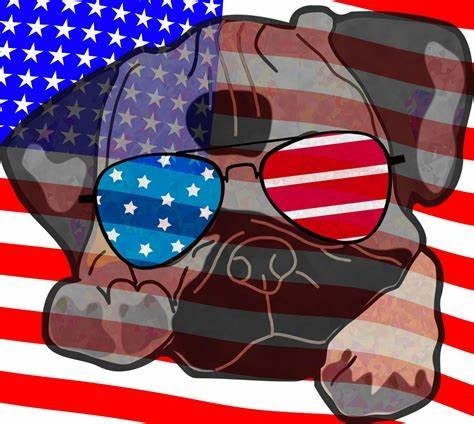
Start by selecting animals that embody the spirit of Independence Day. Then, opt for bald eagles to symbolize freedom and strength, patriotic bears adorned in red, white, and blue, or various animals decorated with stars and stripes. Finally, these themed animals can instantly elevate the festive atmosphere.

Customizing Your stuffed Animals

Transitioning from selection to customization, the fun truly begins. So, personalize your stuffed animals with a variety of Independence Day-themed accessories:

  • Ribbons and Bows: Tie vibrant red, white, and blue ribbons around their necks or limbs. This simple addition can significantly enhance their festive look.
  • Mini Hats: Also, Add tiny hats like Uncle Sam’s hat, top hats with stars, or baseball caps in patriotic colors. These can be crafted or purchased, adding a charming touch.
  • Mini Flags: Attach small American flags to their paws or tails. This little detail makes them perfect for the holiday.
  • T-Shirts and Capes: Dress them in miniature T-shirts or capes featuring patriotic designs. This adds a whimsical and thematic flair.

Fun Activities with stuffed Animals

Transitioning from customization to activities, here are some engaging ideas to incorporate into your celebration:

  • Decoration Workshops: Offer a range of decorative items such as ribbons, hats, and flags. Encourage kids to get creative and personalize their stuffed animals. This sparks creativity and keeps them busy.
  • Parade Participation: Organize a mini parade where children can showcase their decorated animals. Include a contest for the best-decorated animal with small prizes. This adds a competitive and fun element.
  • Storytime and Education: Use the stuffed animals to tell stories about Independence Day. This interactive storytelling session can educate children about the holiday’s significance while keeping them engaged.

Incorporating stuffed Animals into Festivities

Transitioning to incorporation, here’s how you can seamlessly fit stuffed animals into your celebrations:

  • Picnics and Barbecues: Use the stuffed animals as centerpieces on picnic tables. They serve as great conversation starters and add a whimsical touch to the decor.
  • Fireworks Viewing: Give children their own stuffed animals to hold during the fireworks show. This provides comfort and a sense of participation in the festivities.
  • Gifts and Party Favors: Send guests home with their own stuffed animals as party favors. This personal touch ensures they have a lasting memory of the celebration.

Conclusion

Transitioning to the conclusion, incorporating themed stuffed animals into your Independence Day celebrations brings a unique and delightful twist. Therefore, from patriotic bears and bald eagles to stars-and-stripes animals, the customization and activities are endless. Whether as centerpieces, comfort items during fireworks, or memorable party favors, these stuffed animals bring joy and creativity to the holiday. Embrace this idea and make your celebration truly special.

Historical Fact

Did you know that the bald eagle was chosen as the national bird of the United States in 1782 because of its long life, great strength, and majestic looks? Accordingly, it was believed to symbolize freedom, making it the perfect patriotic theme for your Independence Day celebrations!

Stuffed Animal Gift Dog
Posted on

Eco-Friendly Gifts Making a Difference

In today’s world, sustainability stands at the forefront of many minds. People increasingly seek eco-friendly gifts that not only delight but also contribute positively to the environment. For those passionate about making a difference, here are some standout options.

Eco-Friendly Gifts Making a Difference

1. Stuffed Animals Made with Recycled Materials

Firstly, consider stuffed animals crafted with recycled materials. These charming toys offer more than just cuddly companionship. They symbolize a commitment to reducing waste. Manufacturers use recycled stuffing, transforming what would have been waste into beloved keepsakes. Each stuffed animal saves materials from landfills, promoting a circular economy. Children and adults alike can cherish these eco-friendly friends, knowing they support sustainability.

2. Sustainable Stuffed Animals with Extra Perks

Next, explore stuffed animals that have a tree plannted for every box of stuffing purchased. This initiative directly combats deforestation, contributing to reforestation efforts globally. Consequently, each purchase supports not only personal connections but also the health of our planet.

3. Gifts That Promote a Green Lifestyle

Additionally, eco-friendly gifts often promote long-term use, reducing waste. Stuffed animals, especially those made from durable, sustainable materials, become cherished keepsakes. Unlike disposable gifts, these toys don’t end up in landfills shortly after use. They stay in families for years, passed down through generations. This longevity makes them far more eco-friendly than many other gift options.

4. The Power of Planting Trees

Moreover, the act of planting trees for each product sold has profound environmental impacts. Trees absorb carbon dioxide, help combat climate change, and provide habitats for wildlife. They also support soil health and water cycles, proving that even small actions can lead to significant environmental benefits. Therefore, choosing gifts that include tree planting initiatives can greatly enhance your positive environmental footprint.

5. Making Sustainable Choices

Making thoughtful, sustainable choices when purchasing gifts can lead to broader positive changes. Supporting companies that prioritize eco-friendly materials and practices encourages others to follow suit. This ripple effect can lead to more sustainable practices across industries, amplifying the impact of each individual choice. Thus, your eco-friendly gift purchase contributes to a larger movement towards sustainability.

In conclusion, eco-friendly gifts not only bring joy to recipients but also support environmental health. By choosing stuffed animals made from recycled materials, supporting tree planting initiatives, and promoting long-lasting gifts, we can all contribute to a more sustainable future. Embrace the power of thoughtful, eco-conscious gifting, and make a difference with every purchase. Your choices matter, and together, we can create a greener world.

Posted on

Exploring the Cultural Significance of Stuffed Animals Across Continents

Stuffed Animals Across Continents

Stuffed Animals Across Continents

Introduction:

Stuffed animals have transcended their role as mere toys. So, Stuffed Animals become symbols of comfort, tradition, and cultural identity across the continents and globe. From the bustling streets of Tokyo to the vast plains of Africa, these cuddly companions hold profound significance in various societies. In this article, we embark on a journey to explore the cultural importance of stuffed animals in different countries. Moreover, spanning continents and uncovering the diverse ways they are cherished and celebrated.

Asia:

Japan’s Nuigurumi Tradition Our exploration begins in Japan, where stuffed animals, known as “nuigurumi.” Also, they occupy a unique place in the cultural landscape. Rooted in the concept of “kawaii” (cuteness), Japanese culture embraces these plush companions as symbols of innocence, gentleness, and emotional support. Iconic characters like Hello Kitty and Rilakkuma embody the essence of kawaii, captivating hearts worldwide. Moreover, Japan’s fascination with stuffed animals extends beyond aesthetics to include concepts like “kimo-kawaii,” celebrating the charmingly grotesque. Stuffed animals play a vital role in expressing these cultural ideals, permeating all aspects of Japanese society.

Africa:

South Africa’s Ubantu Stuffed Animals In South Africa, stuffed animals hold cultural significance deeply rooted in the concept of “ubuntu,” meaning humanity and interconnectedness. Additionally, traditional African stuffed animals, often handmade using local materials, reflect the rich biodiversity and wildlife of the region. The iconic Big Five animals—lion, elephant, buffalo, rhinoceros, and leopard—are celebrated as symbols of strength, resilience, and communal harmony. Stuffed animals featuring these majestic creatures serve as educational tools, promoting environmental conservation and preserving indigenous knowledge. Moreover, the tradition of storytelling through stuffed animals reinforces the oral heritage of African communities. They pass down wisdom from generation to generation.

Europe:

Germany’s Steiff Legacy In Europe, particularly in Germany, stuffed animals have a long-standing tradition rooted in craftsmanship and storytelling. Established in 1880, the Steiff company revolutionized the toy industry with its iconic teddy bears, inspired by President Theodore Roosevelt’s hunting expedition. These cuddly companions became instant classics, embodying qualities of courage, companionship, and adventure. Steiff’s commitment to quality and innovation elevated stuffed animals to the status of cherished heirlooms, passed down through generations. Moreover, European folklore and fairy tales abound with anthropomorphic animals, further cementing the cultural significance of stuffed animals in the region.

North America:

United States’ Disney Magic In the United States. Stuffed animals are deeply intertwined with popular culture and entertainment. Thanks in part to iconic brands like Disney. Characters like Mickey Mouse, Winnie the Pooh, and Simba from The Lion King are examples. They have captured the hearts of children and adults alike. Furthermore, they transcend cultural boundaries and becoming beloved symbols of imagination and wonder. Moreover, the advent of interactive plush toys has revolutionized the toy industry. They offer children personalized experiences and fostering creativity and innovation.

South America:

Peru’s Andean Alpaca Treasures In South America, particularly in Peru, stuffed animals hold cultural significance. So, they take root in indigenous traditions and craftsmanship. Handmade alpaca wool toys, crafted by skilled artisans in the Andean highlands. These reflect the region’s rich cultural heritage and connection to nature. Many adorable creatures, including llamas, alpacas, and condors, are not only beloved playthings but also symbols of prosperity, protection, and spiritual connection. Moreover, the tradition of handcrafting stuffed animals serves as a source of economic empowerment. Consequently, the indigenous communities find preserving traditional skills and supporting sustainable livelihoods.

Conclusion:

As we conclude our journey through the cultural significance of stuffed animals across continents, we recognize the universal appeal and timeless charm of these cuddly companions. From Japan’s kawaii culture to South Africa’s ubuntu philosophy, from Germany’s Steiff legacy to Peru’s Andean alpaca treasures, stuffed animals serve as cultural ambassadors, storytellers, and sources of joy worldwide. As we celebrate the diversity of human expression, let us cherish the universal language of love embodied by these timeless treasures.

Posted on

Stuffed Animals in the 2020s: A Timeless Gift Evolving with Trends

Kids Teens Adults Gifts

Kids Teens Adults Gifts

Stuffed animals, timeless companions for generations, have evolved beyond traditional cuddly toys, becoming a versatile and enduring ideal gifts for Kids, Teens, and Adults alike. Especially, in the 2020s, the charm of these plush pals persists, bridging generational gaps and offering comfort, companionship, and nostalgia.

Universal Appeal Across Generations

Kids snuggle with them for security, teens incorporate them as room decor, and adults value them as thoughtful gifts. Consequently, this enduring appeal in the 2020s makes stuffed animals a universal gift.

Personalization: Adding a Unique Touch

A notable trend in the 2020s is the personalization of stuffed animals. Gift-givers now lean towards custom-designed plush animals that carry special messages, fostering unique connections. Personalized stuffed animals, often accompanied by heartfelt notes, allow emotions to be expressed, creating lasting memories.

Collectibles for Teens and Adults

The realm of stuffed animals has expanded for Teens and Adults who now see them as collectibles. Limited-edition releases and plush versions of beloved characters make for coveted gifts, becoming display pieces or traded treasures within communities of enthusiasts.

Innovative Gifting with Stuffable Animal Party Kits

For those seeking a gift that combines creativity and entertainment, stuffable animal party kits provide an innovative twist. Additionally, these kits offer the recipient an unstuffed plush animal, stuffing material, an adoption certificate, and a felt heart, allowing them to craft their plush companion.

Why Stuffed Animals Shine: More Than Just Toys

Stuffed animals shine for various reasons. Also, they offer comfort during stressful times, serving as soft and huggable companions. So, many adults treasure them as childhood keepsakes, evoking fond memories and sentimentality. Beyond mere toys, they convey thoughtful gestures, expressing love, gratitude, sympathy, or support.

Versatility and Universal Appeal

With their universal appeal, stuffed animals cater to all ages. Whether it’s a plush bear, a cute bunny, or an exotic creature, there’s a stuffed animal for everyone.

Conclusion: Adapting to the 2020s While Retaining Timeless Charm

In conclusion, stuffed animals have adapted to the preferences of the 2020s while retaining their timeless charm. From personalized plush companions to collectible treasures, these gifts transcend age. The addition of stuffable animal party kits injects creativity and fun into the gifting experience. Whether for a child, teen, or adult, these plush companions remain a memorable and cherished gift option.

Kids Teens Adults Gifts
Posted on 4 Comments

Embracing Weighted Stuffed Animals: A Therapist’s Journey into Sensory Magic

Embracing Weighted Stuffed Animals

Embracing Weighted Stuffed Animals

In the world of occupational therapy, where innovation meets compassion, there exists a hidden gem of comfort and solace – the weighted stuffed animal. As an occupational therapist, my journey with these enchanting creations has been nothing short of magical. From the first encounter with a child clutching a soft, weighted companion to witnessing the transformative power of these sensory tools, the emotional connection is profound and heartwarming. Let’s dive into this captivating world and explore the remarkable journey that therapists embark on with weighted stuffed animals.

Discovering the Weighted Stuffed Animal:

The first time I introduced a weighted stuffed animal to a young client with sensory processing challenges, the atmosphere in the therapy room changed. Their eyes widened with curiosity, and a smile of wonder played on their lips. In that moment, I, too, felt a surge of delight. I realized that these huggable wonders could be the keys to unlocking a world of sensory magic.

The Emotional Connection:

There’s something truly special about witnessing a child, previously overwhelmed by sensory stimuli, snuggle up to a weighted stuffed animal. It’s as if these plush companions hold the secret to a comforting embrace that speaks to the soul. The emotional journey is two-fold, both for the child and the therapist. The joy and relief experienced by the child are mirrored in the therapist’s heart, creating a bond that transcends words.

Weighted Stuffed Animals as Anchors:

For children who struggle with sensory regulation, life can often feel like navigating stormy seas without an anchor. Weighted stuffed animals become these anchors, offering a sense of security and stability. So, as therapists, we are privileged to witness the transformation as children find solace in the arms of these special companions.

The Therapeutic Power:

Occupational therapy is not just a profession; it’s a calling, a commitment to improving the lives of those we serve. Weighted stuffed animals, with their gentle pressure and comforting weight, have the power to ease sensory discomfort, reduce anxiety, and promote focus. When we see a child’s nervous fidgets transform into a calm, focused engagement, the sense of accomplishment is nothing short of exhilarating.

Personalizing Comfort:

What’s particularly fun and engaging in our therapeutic journey is the opportunity to personalize these plush companions. Children select their favorite animals, colors, and textures, infusing their personalities into the therapy process. Whether it’s a cuddly bear, a cozy owl, or a friendly dinosaur, the child’s choice becomes a reflection of their unique identity.

Sensory Explorations:

Sensory exploration takes on a whole new level of excitement with weighted stuffed animals. Therapists devise creative activities. For example, like ‘hide and seek’ games, where children search for their plush friends beneath a sea of soft pillows. It’s not just about therapy; it’s about creating joyful experiences that instill a sense of curiosity and wonder.

Celebrating Small Victories:

In the world of occupational therapy, progress is often measured in the smallest of victories. When a child, once overwhelmed by touch, proudly shows off their handmade sensory-friendly weighted stuffed animal, it’s a moment of celebration. These therapeutic journeys are filled with fun milestones that bring immeasurable joy to both the child and the therapist.

Therapeutic Bond:

The relationship between a therapist and their young client is built on trust, understanding, and empathy. When a child entrusts their fears and vulnerabilities to their therapist, it’s a profound honor. The inclusion of weighted stuffed animals in therapy serves to strengthen this bond. These plush allies become a shared secret, a source of comfort and encouragement.

Shared Laughter and Comfort:

Therapy sessions can be intense, but they’re also moments of shared laughter, joy, and comfort. The presence of weighted stuffed animals lightens the atmosphere and adds a sense of playfulness. Whether it’s using them as props in storytelling or creating imaginative worlds, the therapeutic journey becomes an adventure filled with delightful surprises.

A Therapist’s Heartwarming Conclusion:

The journey with weighted stuffed animals in occupational therapy is not just about techniques and strategies. Also, It’s about the emotional connection, the sense of wonder, and the power of transformation. So, as a therapist, I’ve had the privilege of witnessing children’s lives change through these enchanting companions. Every hug, every smile, and every moment of calm is a testament to the magic. A magic that weighted stuffed animals bring to therapy rooms.

Embracing Weighted Stuffed Animals:

In the world of occupational therapy, the use of weighted stuffed animals is a heartwarming journey that transcends the clinical setting. Moreover, it’s an exploration of the emotional connection between therapists and their young clients, a celebration of small victories, and a source of shared laughter and comfort. Consequently, weighted stuffed animals, with their sensory magic, have the power to transform therapy into a fun and engaging adventure. This therapeutic bond finds strength, and thus deeply touching hearts in the process.

Embracing Weighted Stuffed Animals